What Does a Push Mean in Casino Table Games? A Player’s Guide
A push in casino table games means your bet has effectively been cancelled, with your stake and any winnings returned to your balance. It usually occurs when a round finishes in a draw, such as a tie in blackjack or an even-money result in roulette. Understanding this term helps you judge the games, providers and lobby features available at Australian-facing casino platforms. It can also prevent confusion when a wager appears to have produced neither a win nor a loss.
When a Push Happens and What It Returns
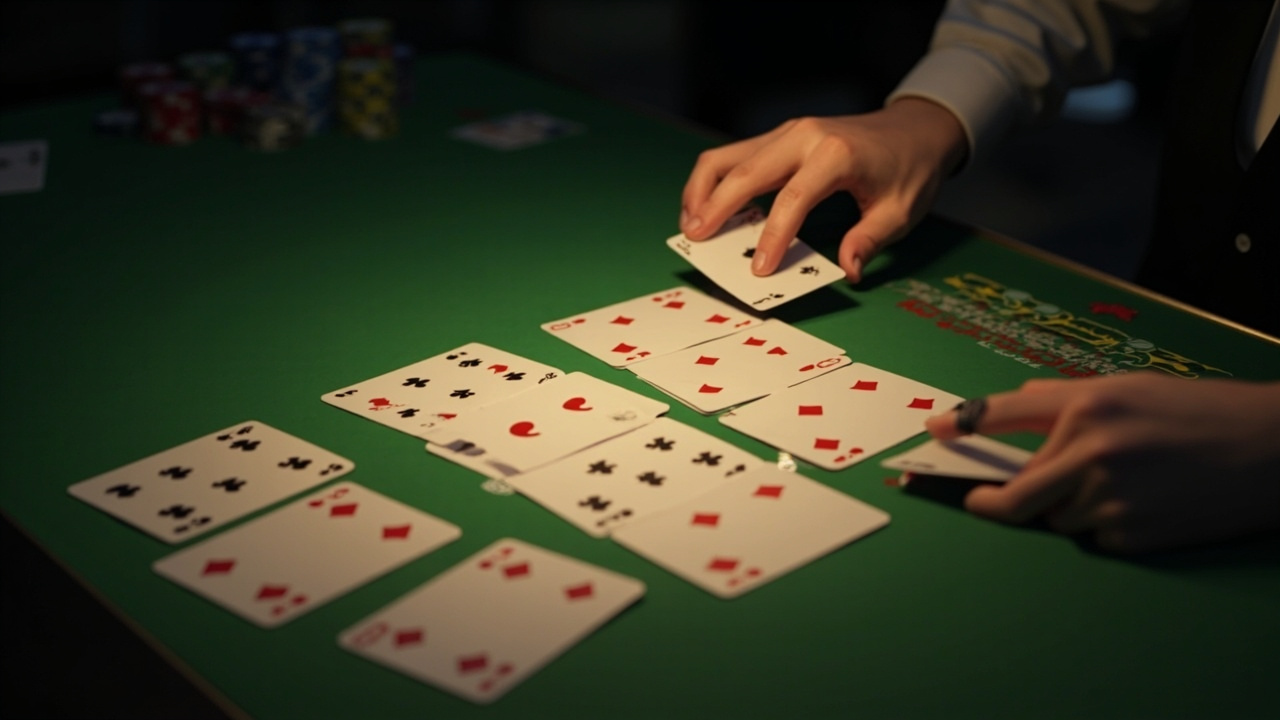
In blackjack, a push generally occurs when your hand and the dealer’s hand have the same total, with both cards face up. In roulette, an even-money wager pushes when the ball lands on zero, though the precise rules can vary by table. Some versions of baccarat also produce pushes depending on the hand total and the stated rules.
Your original wager is normally returned, rather than paid as a win or lost as a loss. If you have already collected winnings, such as from doubling down or splitting, the returned amount can differ from your starting stake. A push is therefore not extra value; it simply restores the wagered amount under the applicable rules.
The word “gambling” comes from an Old English term associated with playing games, but modern casino terminology is much more practical. Grace Jackson, Head of Analytics at Banksia Betting Partners, puts it neatly: “A push is a neutral settlement, not a bonus or a loss. Players should always check the table rules and the bet record shown after the round.”
That distinction matters because a casino interface may display a push differently from a returned stake, particularly in live games. Before playing, check whether the rules screen explains ties, surrendered bets and adjusted returns. If you want background on table-game terminology, a short guide such as dragon-link-online-free.com can provide useful context, although it should not replace the rules published by the operator you are using.
The online casino guide offers more context on how pushes and adjusted returns work. Comparing these terms with the casino’s own rules can prevent surprises when a live game settles differently than expected.

Reading the Game Mix, Lobby and Table Information
The casino lobby is more useful when it makes rules, betting limits and supported currencies easy to find. Look for clearly named table categories, live-game filters and information buttons beside each title. A tidy lobby may include blackjack, roulette, baccarat and poker-style games, but the quality of discovery matters more than the raw number of titles.
Start with the game mix. A strong table selection should include traditional and live variants, with different stake ranges for casual and higher-limit play. Check whether the lobby lets you search by game, provider or table format. That matters in Canberra when you want to compare rules quickly rather than scroll through every slot and live title after a busy arvo.
Providers also shape the experience. In the fictional Capital Territory casino used for this guide, table games come from Brightline Studios, with live tables supplied by Northern Table Collective. Brightline’s blackjack lobby cards identify push rules, maximum hands per round and supported table currencies. Northern Table Collective uses a separate live-game filter, so players can move between digital and dealer-led formats without guessing which lobby they are viewing.
Search should reveal useful details, not merely a game’s name. A well-organised catalogue may let you filter by blackjack, roulette or baccarat, then display the table minimum, maximum and currency. Those same fields should remain visible on mobile, where a quick, thumbs-friendly filter is defo more convenient than hunting through a crowded list.
Checking Push Rules Before You Bet
Always locate the rules for the specific table and betting option you intend to use. A blackjack push might apply to an equal total, while an insurance wager could be treated differently. Roulette can include rules for French, European and American layouts, with the number of zeroes affecting where a push can occur. Do not assume every table follows the standard treatment.
The payout screen is equally important. After a push, look for an explicit “push” or “stake returned” marker rather than relying only on the balance changing. In the example platform, a returned blackjack wager appears as “Push – stake returned”, while a tied roulette even-money bet is labelled “Push – wager returned”. This removes ambiguity and makes it easier to compare actual outcomes with your session history.
Leo Williams, Customer Experience Lead at the Capital Territory Gaming Forum, offers a sensible player-side check: “The rules must be visible before the first card, not buried after a dispute. Clear labels and a readable bet history make settlement easier to trust.”

You can also use a short observation period. Place a small stake, record the result and confirm that the amount shown as returned matches the relevant table rule. That is not a guarantee of future behaviour, but it is a practical way to understand how the interface applies its own terms. Never treat an apparent push as a licence to increase a wager, and never assume a casino operator is authorised in Australia simply because its site accepts local players or uses Australian dollars.
Payment, Mobile and Support Details That Add Clarity
Payment and support systems do not determine whether a hand is a push, but they affect how clearly a returned stake is recorded. The fictional Capital Territory platform supports Australian dollars, with minimum table stakes of A$2 and a A$500 maximum at the featured live blackjack tables. These limits apply consistently to desktop and mobile sessions. There is no claim that every Australian-facing casino uses the same figures, so confirm them on the operator’s own rules page.
Mobile access should preserve the same information. The game menu includes a “Rules” tab showing tie settlement, table limits and currency, while the history panel identifies the returned amount separately from deposits and withdrawals. A green “Push” marker is not a withdrawal request; it is simply the settlement status for that round.
The platform also includes session reminders, deposit limits and a 24-hour cooling-off option. Support is available through live chat from 07:00 to 23:00 Australian Eastern Time, with an Australian phone line operating from 08:00 to 18:00. For a rules question, send the table name, round reference and a screenshot of the settlement label. That gives the support team a defo better basis for explaining the result than saying only that the hand tied.
There is also an optional loyalty arrangement in which each A$10 of net table play earns one loyalty point. Points convert to A$1 after 1,000 points are earned. Importantly, a push earns no points because it produces no net table play, and returned stakes do not count as deposits for promotional purposes.
A Push Is a Settlement, Not a Win
A push means the wager is returned under the table’s rules; it is neither a profit nor a loss. The most important player checks are simple: read the game-specific rules, confirm how the lobby displays table limits and verify that your bet history clearly identifies returned stakes. Use smaller limits while learning a new table, especially if its treatment of ties differs from what you expect.
Remember that a push does not improve your expected return, change the house edge or create bonus value. It simply leaves your balance where the stake stood before the wager. If the rules, settlement label or transaction history is unclear, pause and ask support for clarification before placing another bet. No worries, a little checking can prevent a lot of confusion later.
